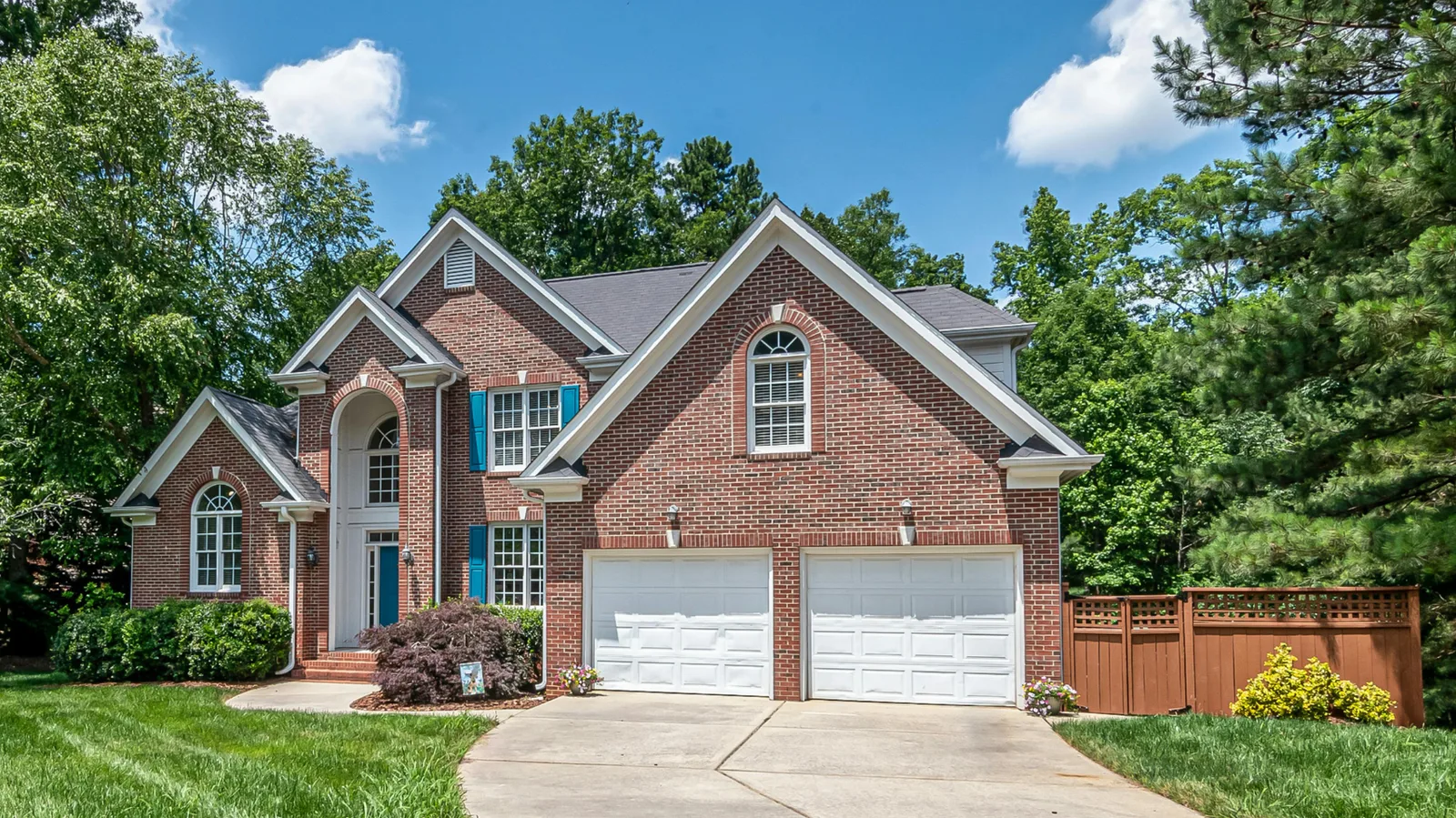
Roof replacement in Rogers, Arkansas
A new roof is a project worth planning. Compare the covering, the work underneath it and the details that belong in the scope before you commit.
Free roof inspections in Rogers. Discuss the condition and your roofing project before deciding on work.
Planning a roof replacement in Rogers
Replacing a roof gives you access to details that a surface repair cannot address. Once the old covering is removed, the deck can be assessed and the new water-shedding layers connected at the eaves, walls and penetrations. Choosing a shingle color is one part of that project; deciding what the roof needs underneath is another.
A replacement discussion should explain why the existing roof needs that extent of work. Widespread deterioration, recurring trouble or an assembly that needs broader correction can make replacement sensible. A roof age or a neighbor’s project alone does not establish that your whole roof is due.
The shingle options page helps with covering choices. The inspection connects those choices to your roof’s condition and layout.
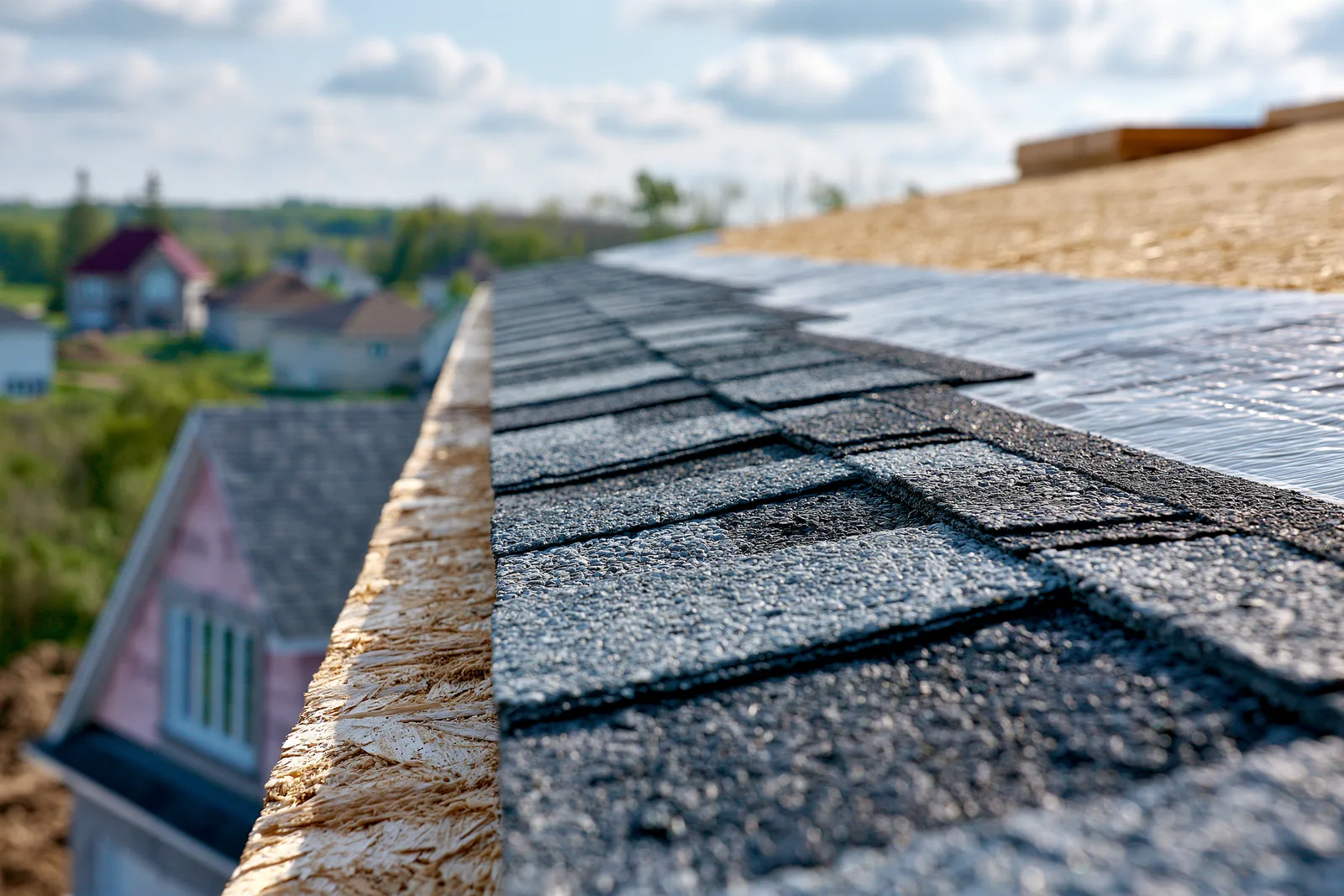
What belongs in a Rogers roof replacement scope
A replacement is not one product. It is the whole roof rebuilt from the deck up, and each layer has its own job. A clear proposal names all of them.
- Tear-off and the deck
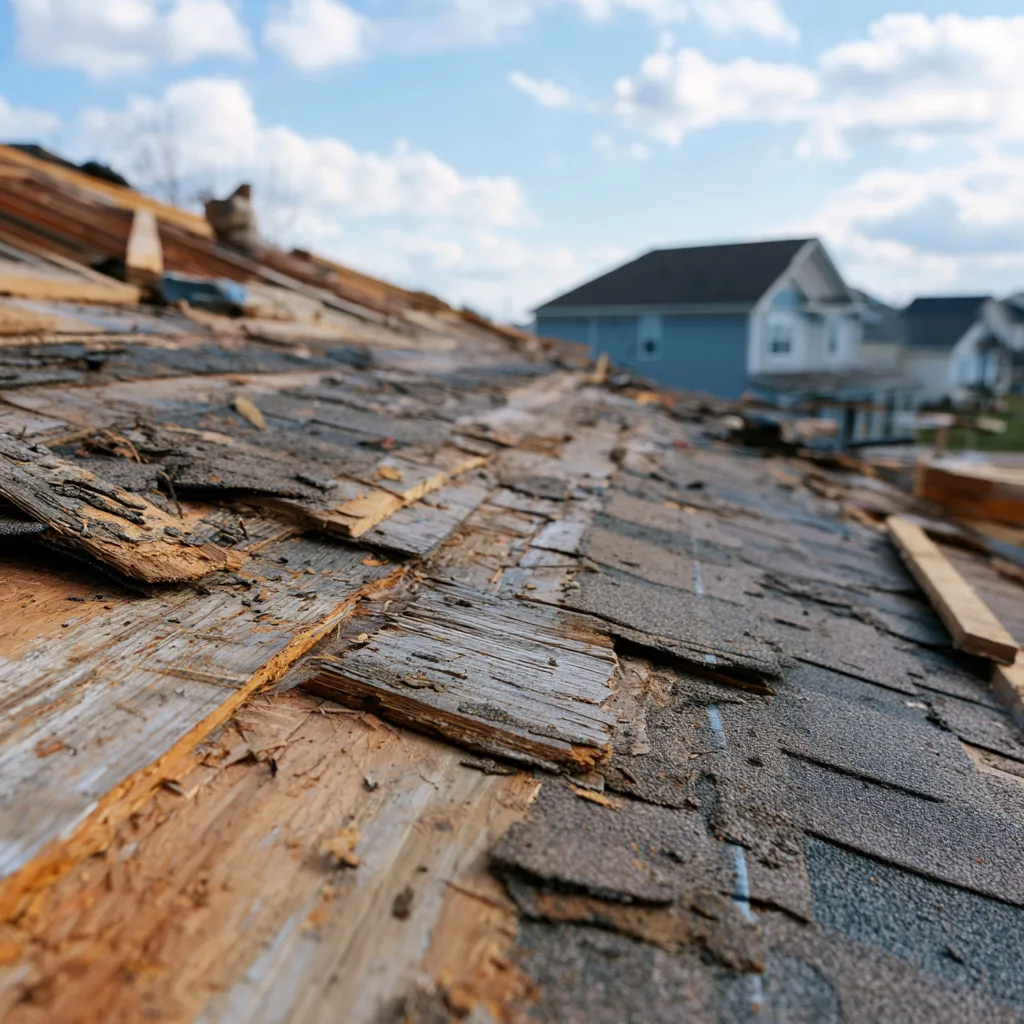
The old shingles, underlayment and any second layer come off down to bare wood. That is the first time anyone can see the whole deck. Plywood or OSB that has gone soft, delaminated or rotted around old leaks gets cut out and replaced with new sheathing. Older homes with plank decking sometimes need gaps bridged or sections replaced so the new shingles have something solid to nail into.
- Underlayment and eave protection
A synthetic or felt underlayment goes over the clean deck, lapped so each course sheds water onto the one below. At the eaves, in the valleys and around chimneys, a self-sealing membrane goes down first. It grips the nails that pass through it, so wind-driven rain and ice backup cannot get under the shingles at the places they are most likely to.
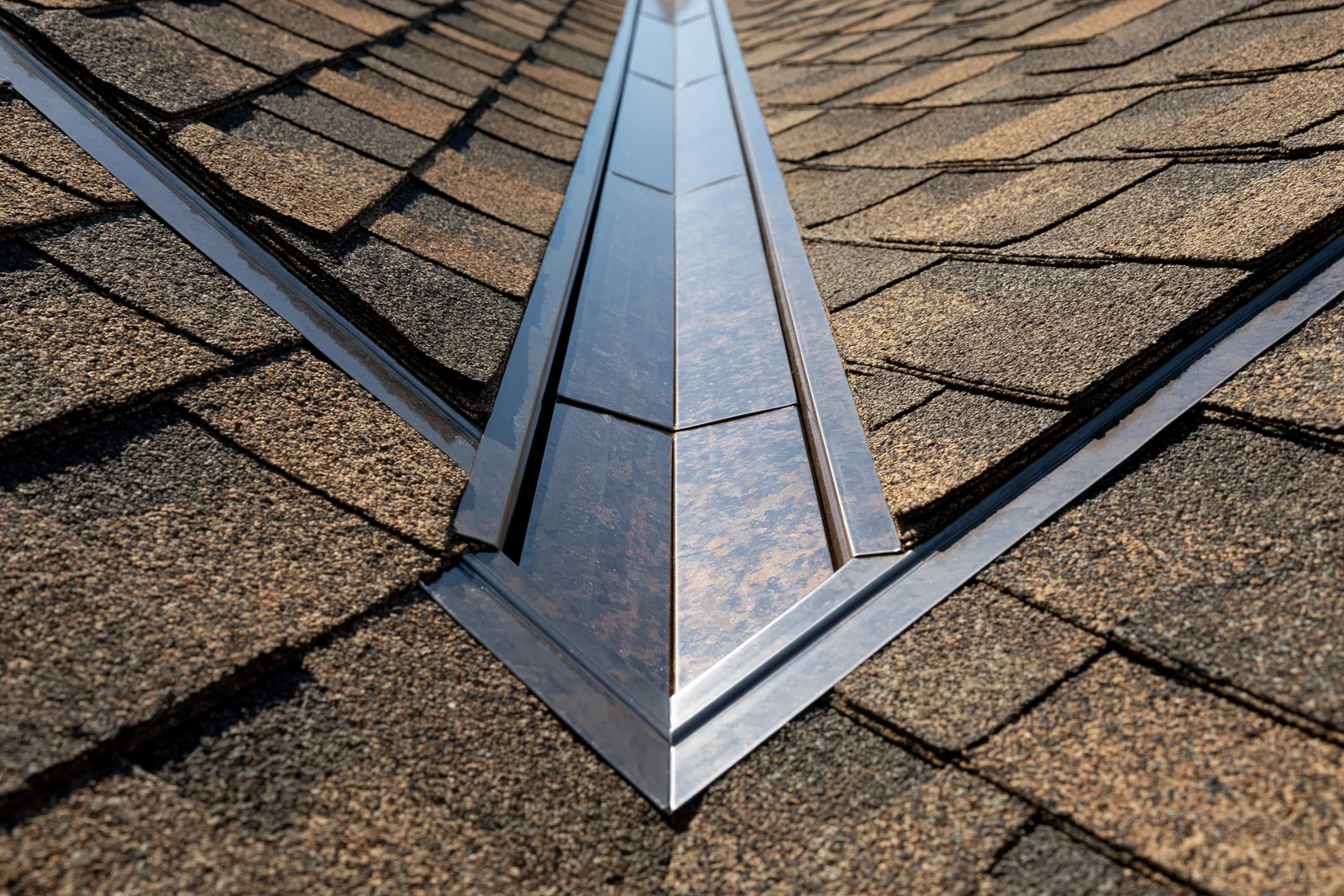
- Drip edge, starter and valleys
Metal drip edge at the eaves and rakes kicks water into the gutter instead of behind the fascia. A starter course seals the first row of shingles at the edge. Valleys get metal, or a woven or cut shingle detail; the proposal should say which.
- Flashing at every break in the roof
New step flashing at walls, new or reworked counter-flashing at the chimney, new boots on every pipe, new flanges on vents. Old flashing reused under new shingles is where a new roof leaks first. If anything is being reused, the proposal should say so and say why.
- Ventilation
The new roof needs air coming in at the soffits and leaving at the ridge or through vents near it. Adding a ridge vent while the soffits stay blocked with insulation does not ventilate the attic. The scope should cover what the existing intake and exhaust actually are and what changes.
- Shingles, ridge and finish
Field shingles laid to the manufacturer's exposure and nailing pattern, hip and ridge caps, and the vents or fans that go back on. Nail placement matters more than speed. Shingles nailed too high or driven too deep are the ones that slip or blow off later.
- Protection, disposal and cleanup
Tarps over landscaping and anything under the eaves, a trailer or dumpster for the old roof, and a magnet sweep of the yard and driveway for nails. Say where the trailer will sit and what has to move before the crew arrives.
From roof inspection to replacement in Rogers
- 1
Understand the roof you have
The free inspection starts with why you are considering replacement and what the roof shows: shingle condition across every slope, how many layers are on, where the flashing and vents stand, how the roof is shaped and how it can be reached. Anything the roofer cannot see under the shingles is noted as a possible change once the roof is opened.
- 2
Choose the covering and the scope
Shingle product, color and the layers underneath get decided together. This is where you confirm what happens if decking needs replacing, whether the roof is going down to bare wood, and who is responsible for any permit.
- 3
Plan the days around the property
Where the material gets delivered, where the trailer goes, cars out of the driveway, pets inside, a word to the neighbors. Weather sets the actual days; nobody tears a roof off ahead of rain.
- 4
Tear-off and deck repair
The old roof comes off in sections the crew can dry in the same day, so the house is never left open overnight. The deck gets checked and any bad wood replaced before underlayment goes on.
- 5
Dry-in and details
Ice barrier at the eaves and valleys, underlayment over the deck, drip edge and valley metal. Once the roof is dried in, a passing shower is no longer a problem.
- 6
Shingles, flashing and ventilation
Starter course, field shingles on layout lines, step flashing woven in at walls, new boots and flanges, ridge vent and caps.
- 7
Cleanup and a last look
Gutters cleared, yard and driveway swept with a magnet, a walk over the roof to check every flashing and the ridge. Walk the property with the roofer before the trailer leaves; that is the easiest time to raise anything you notice.
What stays unknown until the old roof comes off
A roof walk shows the roofer the shingles, the flashings and the general condition of the deck as it feels underfoot. It does not show what the underlayment and the wood look like. That only becomes visible on tear-off day, and it is why a replacement proposal handles decking differently from everything else.
The usual surprises are these: a patch of sheathing that rotted around a leak that ran for years, a second layer of shingles nobody mentioned, plank decking with gaps too wide for modern shingles to nail into, or a skylight or chimney whose flashing was buried under sealant rather than ever fixed. None of them stop the job. They change how much wood and metal goes back on.
The proposal should say up front how those findings are handled: a per-sheet price for replacement decking, a note on how a second layer changes disposal, and a phone call before anything outside the agreed scope is done. That way a larger final bill comes with a reason you already understood, not a surprise on the last day.
What changes roof replacement cost in Rogers
Two proposals with the same shingle can be very different jobs. These are the things that move the number, and every one of them should be visible in the written scope.
A simple gable roof over a single story, with roof area close to the footprint.
Steep pitch, several intersecting slopes, dormers and long valleys. Roof area is not floor area, and every hip, valley and ridge adds cutting and flashing.
One layer of shingles down to a sound deck.
Two layers, or an old roof under a re-cover, which changes disposal and labor.
Solid sheathing that needs nothing.
Sheets replaced around old leaks, or plank decking that has to be bridged or overlaid before shingles can be nailed.
A few pipes and vents, no chimney.
A wide chimney needing new counter-flashing and a cricket, skylights, several walls to step-flash, satellite or solar mounts to work around.
Existing intake and exhaust that work and stay.
Adding a ridge vent, opening soffits or replacing fans as part of the job.
A standard architectural shingle.
A heavier designer profile, an impact-rated product or a color that has to be ordered.
Roof replacement FAQs
Can new shingles go over the old ones?
A re-cover leaves the existing layers in place, including anything they conceal. Whether it is allowed and suitable depends on the roof assembly, condition, applicable requirements and selected product. Compare that limited scope with removal rather than treating them as the same job.
Does every dark spot mean the roof needs replacement?
No. A visible mark does not establish the condition of the whole roof. Local damage and surrounding material determine whether roof repair is a useful option.
What happens if damaged decking is found during removal?
The affected areas need a sound substrate before the new covering goes on. The proposal should explain the basis for extra decking work and the process for discussing a change in scope, because an initial roof walk cannot reveal every concealed condition.
Can I choose a different shingle style?
Yes, discuss the appearance and specific product alongside the roof requirements. Heavier or differently shaped products can bring additional installation considerations. Compare the product information and full installed scope rather than selecting from a small color swatch alone.
Plan your Rogers roof replacement
Tell us what you are planning and what you know about the current roof. A free inspection gives the replacement conversation a practical starting point.