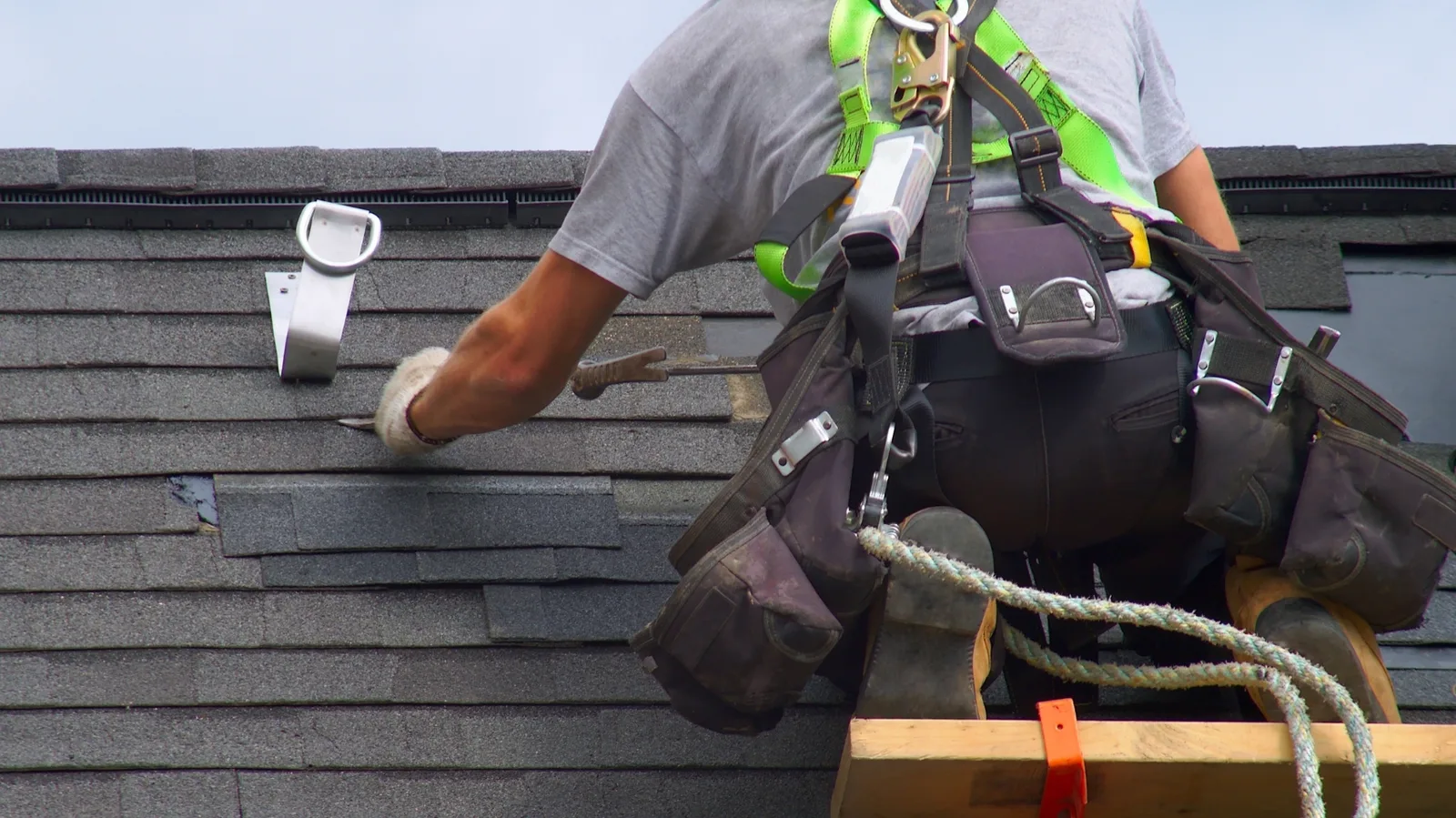
Roofing services in Rogers
Repair, inspection or a commercial roof question: start with the service that matches what you're seeing, or ask and let the inspection sort it out.
Free roof inspections in Rogers. Discuss the condition and your roofing project before deciding on work.
Finding the right roofing help in Rogers
Most roofing questions in Rogers start with one of three things: water showing up where it should not, a roof getting old enough to plan for, or a storm that left you wondering what it did up there. Each of those leads to different work. The pages here explain that work the way we would at your kitchen table: what the part does, how it fails, what fixing it involves and what that means for your budget.
You do not have to know the answer before you ask. If all you have is a brown ring on the ceiling or a few shingles in the flower bed, the free inspection sorts out which kind of work you actually need. A roofer walks the roof, looks at the details around the problem and tells you what is there. Asking commits you to nothing.
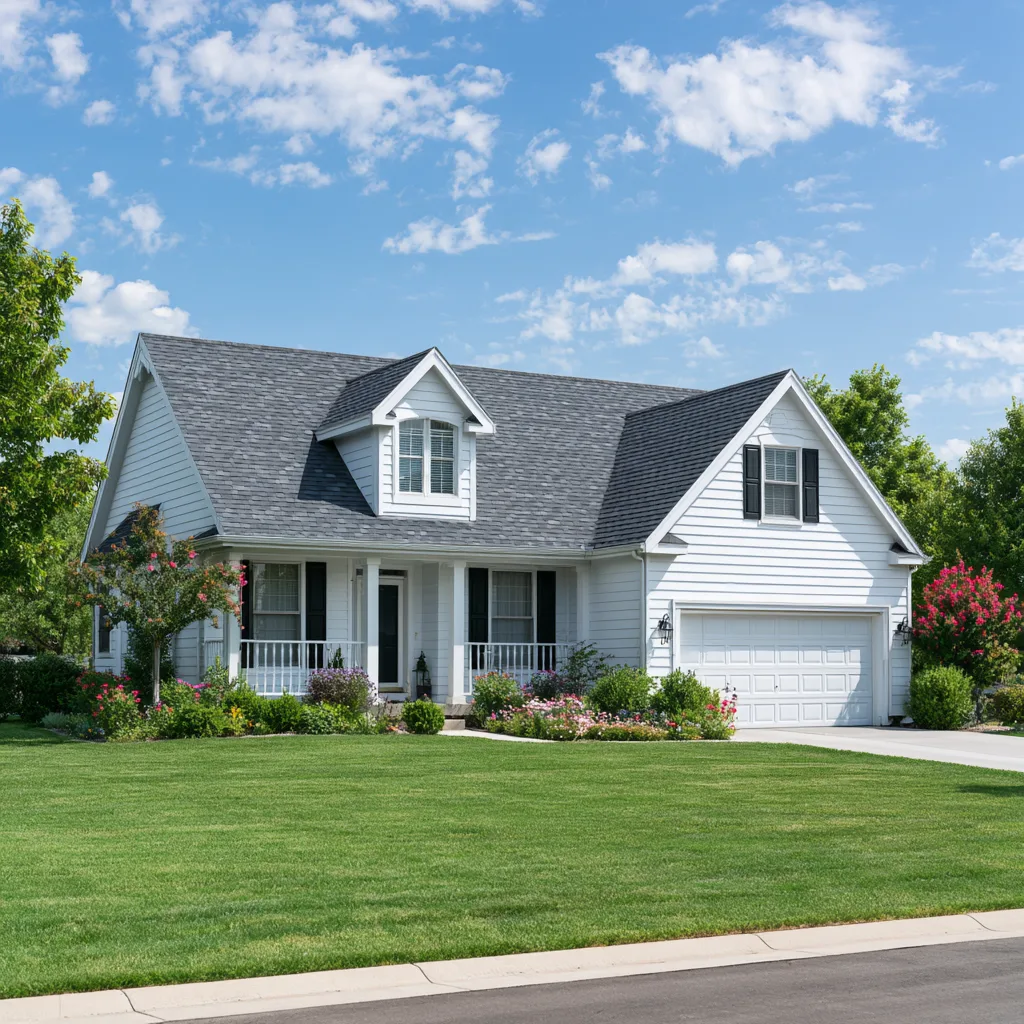
Residential roofing in Rogers
Roof work on a house falls into a few kinds of jobs. Here is how they relate to each other, and which page explains each one.
Repairs and leaks
Most repairs fix one failed detail: a pipe boot that has split, flashing that has pulled away from a chimney or wall, a run of shingles that wind lifted and unsealed. The roofer traces where water is getting in, which is often not directly above the stain, then replaces the failed piece and ties it back into sound roofing around it.
A repair holds when the surrounding shingles are still flexible enough to lift and reseal. When they crack as they are lifted, or the decking under them has gone soft, the repair area grows and the conversation changes.
Inspection when you are not sure
An inspection is the right first step when you do not know what the roof needs, or whether it needs anything at all. A roofer walks the roof and looks at the shingles, the edges, the valleys and every place something comes through the roof, then explains what is there in plain words. If the roof is fine, you hear that. If it needs a repair, you hear what and why before anyone talks about price.
After wind or hail
Wind and hail damage different parts of a roof in different ways. Wind lifts shingle edges and breaks their seal, and can tear tabs off entirely. Hail bruises the shingle mat, knocks granules loose and dents soft metal at vents and edges. The storm damage page explains what a roofer looks for after a storm, how temporary protection fits in, and how the findings turn into a repair or a larger project. A storm report for the county is context; it does not tell you what happened on your roof.
Replacement and shingle choices
Replacement comes into view when wear is spread across the roof rather than sitting in one spot: shingles going brittle everywhere, granules washing into the gutters, leaks in different places over a couple of years. It is a bigger job than new shingles. The old covering comes off, the deck gets checked and repaired where it needs it, and new underlayment, flashing, ventilation and shingles go on as one system.
The shingle page explains the choices in the covering itself. The replacement page explains everything underneath it.
From the roof walk to a written scope
Every job here starts the same way: a roofer on the roof looking at the actual details, not a number from the driveway. What that walk finds is what the proposal has to explain. A repair proposal should name the failed detail and the roofing it ties into. A replacement proposal should say what comes off, what goes back on layer by layer, and how any rotten decking found during tear-off will be handled and priced.
That level of detail is what lets you compare two proposals fairly. A lower number that leaves out flashing, skips the ice barrier at the eaves or stays silent on decking is not the same job for less money. The written scope is where the roofer's judgment becomes something you can read, question and hold them to.
- The problem
- The failed detail, or the condition that makes replacement sensible, in plain words.
- Covering
- The shingle product, color and area it covers, or the repair area and the material it joins.
- Underneath
- Decking condition as seen from above, and how concealed rot found during the work is handled and priced.
- Water details
- Underlayment, eave protection, drip edge, valleys, step and counter-flashing, pipe boots.
- Air
- Intake and exhaust ventilation, and any change to vents or fans.
- Site and cleanup
- Protection of landscaping and property, disposal, and the nail sweep before the roofer leaves.
- Terms
- What the product and workmanship warranties cover and who issues each, stated by the contractor doing the work.
An example of the items a clear scope covers. It is not a form, and not a promise of a particular document.
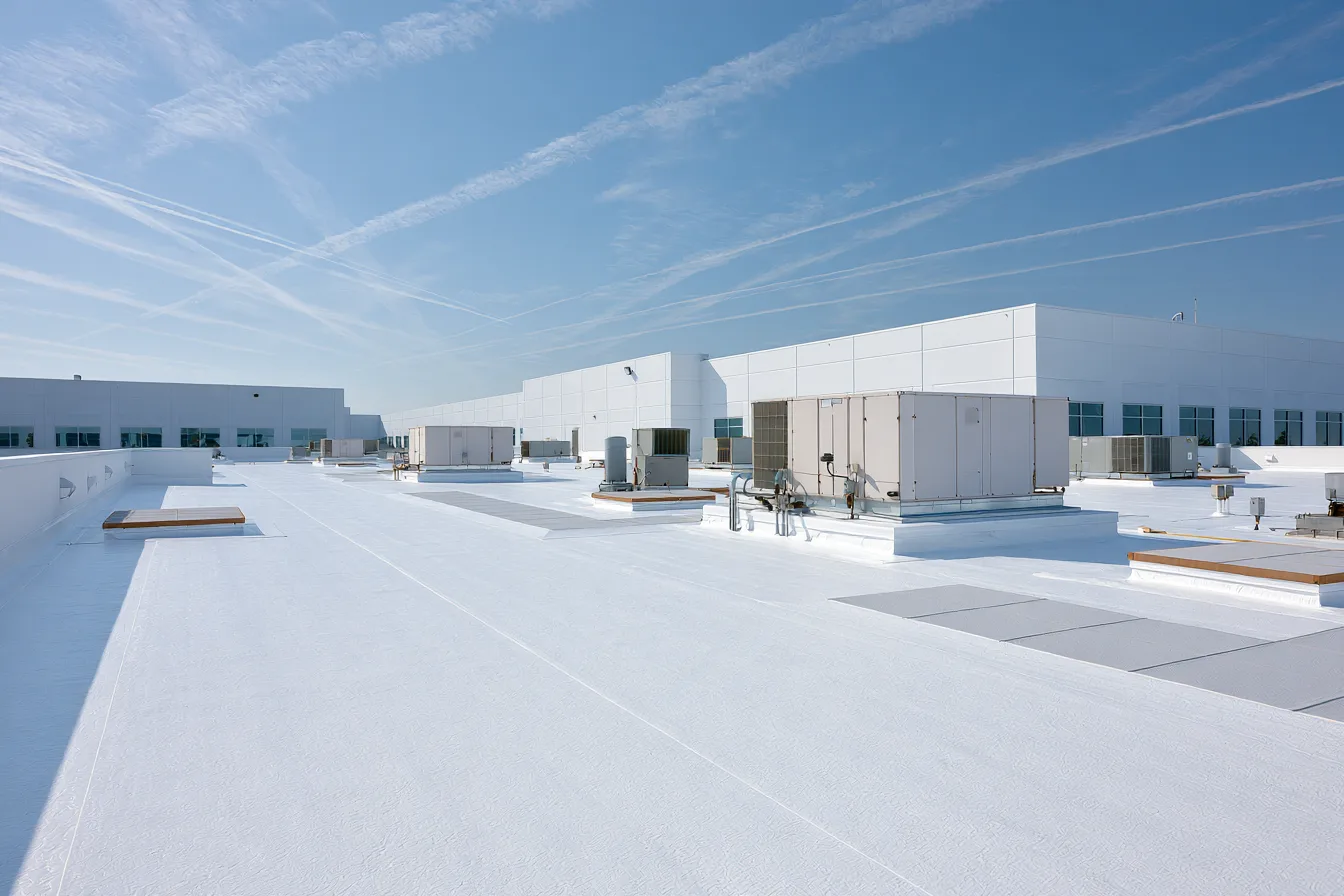
Commercial roofing in Rogers
A low-slope roof on a shop, office or warehouse is a different animal from a shingle roof, and the person managing it has different questions. The surface is usually a single-ply membrane, an asphalt-based built-up roof or a coating over one of those. Water rarely gets in through the middle of the field. It gets in where the surface is interrupted: seams, curbs under rooftop units, pipe and conduit penetrations, wall flashings, drains and scuppers. That is where a commercial inspection concentrates.
The work splits three ways. Repair fixes a failed seam, flashing or puncture when the membrane around it is still sound enough to bond to. A coating restores a roof whose surface is tired but whose insulation is dry and whose details can be brought up to standard first. Replacement is the answer when wet insulation or failed membrane is widespread enough that patching has stopped making sense. Each page below explains one of those paths and what has to be true for it to work.
Building use shapes the plan as much as the roof does. Tenants under the work area, inventory that cannot get wet, loading docks and equipment that has to keep running all belong in the schedule from the start.
Not sure which service fits? Ask for the free inspection
Describe what you noticed and a roofer will walk the roof and tell you what it actually needs. That answer costs nothing.